


RIDER GEAR FOR RACING MOTORCYCLES
6 min. read


To be completely thorough, my previous article on "preparing a motorcycle for racing" had to cover rider equipment for racing. You'll find all the information you need in this article. And yes, just like your motorcycle, your equipment will also have to pass a technical inspection! So, no scratched helmets, torn gloves, or taped-up boots!
Mandatory motorcycle equipment for racing
First, let's talk about mandatory equipment, the details of which you'll find in your championship regulations:
- A one-piece leather suit,
- Leather gloves in good condition,
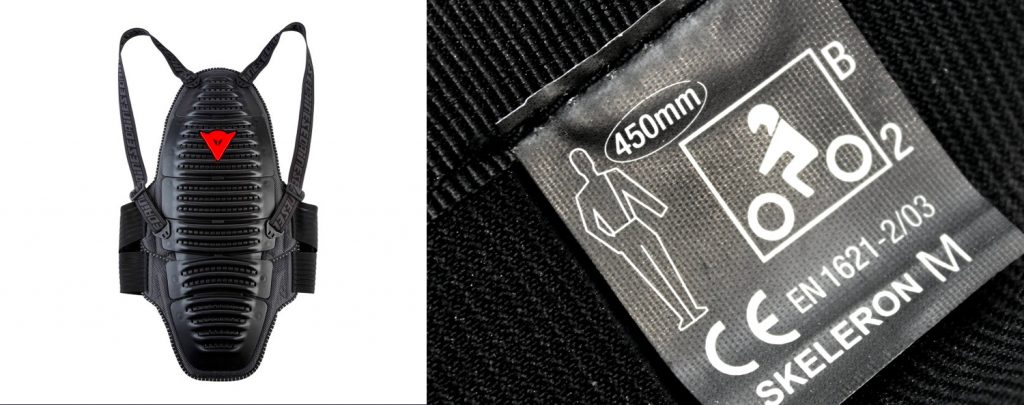
- A back protector meeting the EN 1621-2 standard,
- A pair of boots,
- A full-face helmet that is not modular and meets the ECE 22/05-06 standard or FIM standards and is less than 5 years old.
Leather motorcycle suits
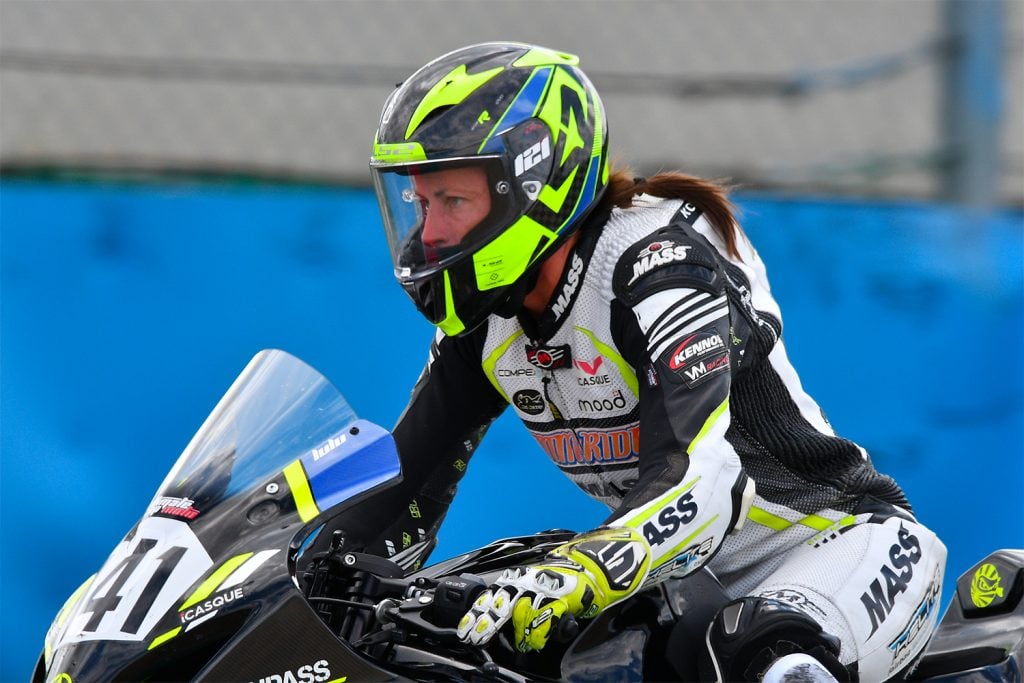
In official racing, two-piece leather suits are not allowed. If you don't already have one, you'll need to invest in a one-piece leather suit. It is now possible to get a custom-made, personalized leather suit for as little as €400 (thanks, Pakistan!), so you should be able to find just what you're looking for and even have a patch with your name on your backside like a real racer without breaking the bank!
And speaking of patches/emblems, some championships will require you to display specific patches on your leathers (from the manufacturer and sometimes from the FFM). Generally, if you're only doing one race, you're not required to do so, but if you're competing in the full championship, it's better to play along, especially if you make it onto the podium! If you get a new suit and are competing in only one championship per year, you can ask the suit maker to add the required patches.
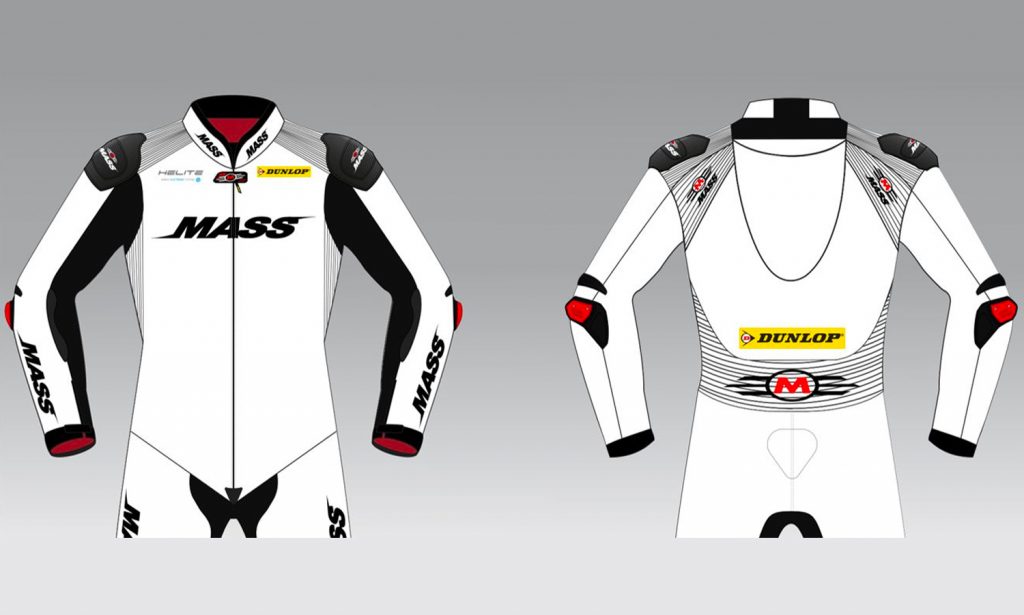
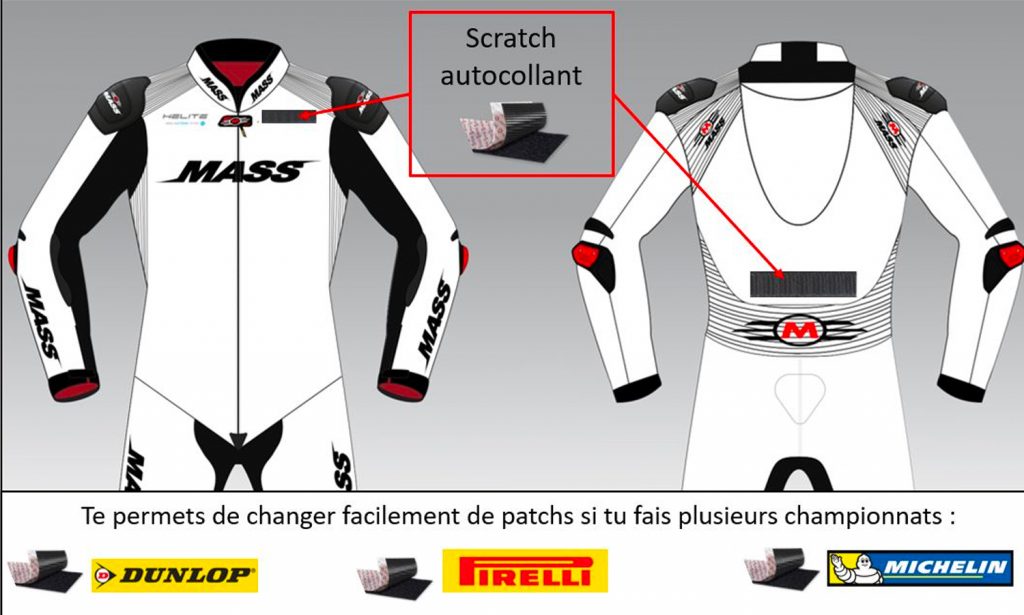
Otherwise, if you already have your suit or are going to race in several championships, I recommend preparing two locations on your suit (one on the front below the collarbone and one on the back above the stretch panel) where you can stick self-adhesive hook-and-loop tape so you can change the patches (which will also have self-adhesive loop tape on them) depending on the championships you're competing in. Patches are usually provided by the championship, so there's no need to have them made yourself.
During the technical inspection, the scrutineers will examine your suit for holes, tears, etc. So don't show up with a suit that has already taken 20 hits at the technical inspection of a race!
Leather motorcycle gloves
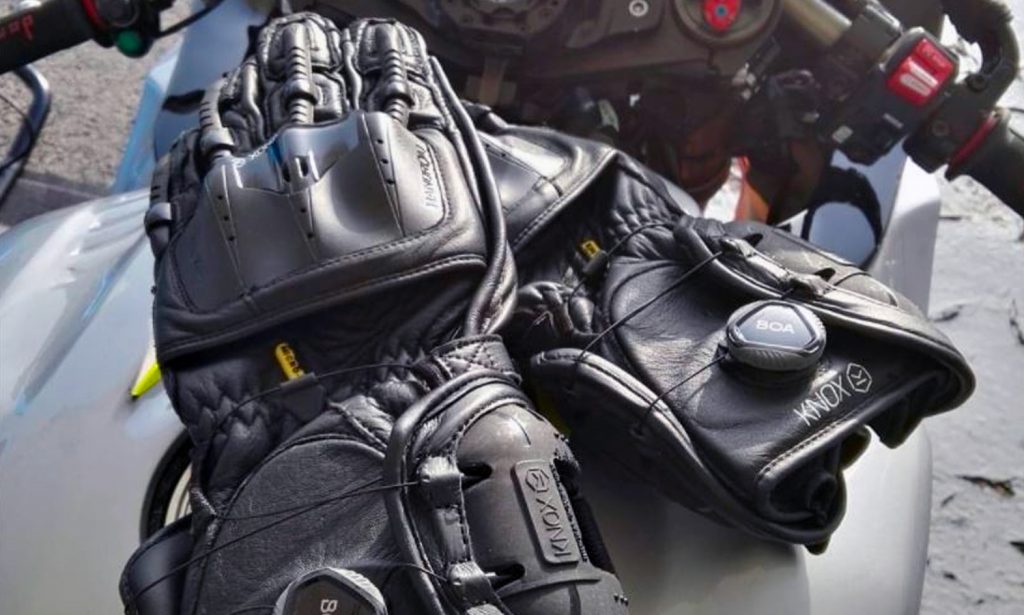
No standard is mentioned in the technical regulations, but they must be CE-approved motorcycle gloves (meaning they have the CE logo), and if possible, from the racing range, in other words, category 2 KP, offering metacarpal and wrist protection and a cuff that extends at least 5 cm from the base of the thumb.
Back protector
Your motorcycle back protector must meet a standard that is printed on a label inside. If you don't see the EN 1621-2 designation, then your back protector does not meet the standards. Look in the racing range to find back protectors that meet the specifications!
Motorcycle boots
Tall boots are mandatory! There are no standards, but racing boots will obviously be the most suitable with their sliders (interchangeable), increased ankle support, and overall flexibility of the boot for quick gear changes... You can find models that offer CE "track" approval.
Non-modular full-face helmet
You'll need to make sure that your full-face helmet has the ECE 22/05-06 designation (or meets the FIM standards and is less than 5 years old). If you're signing up for a race, I assume you already race on the track during training days. So I hope you've already invested in a helmet from the racing range, which are helmets truly designed for track use (lighter, double-D ring, wider field of vision). In itself, you won't be denied access to the competition with a road-oriented helmet (but that will be the case if you show up with a modular helmet), but it's in your best interest to have a helmet that is truly suited to your activity. I invite you to read this article if you want to know more.
And by the way, if you're going to invest in a new helmet, you might as well look into buying a helmet with FIM approval in addition to ECE 22/06...
FIM-approved full-face helmet
The FIM standard, what's that all about? First of all, the FIM (International Motorcycling Federation) is the body in charge of the World Championships and the Endurance World Cup. And since January 2020, the FIM has indeed considered that the standards were too different from one another and has wished to standardize the previous ones, which had thus become obsolete, with its new standard. Notably, in terms of the tested impact points, not all standards necessarily evaluated the same locations. The FIM thus adds sixteen additional impact points to the six of the ECE standard. During approval tests, thirteen of the twenty-two impact points are tested, randomly. The helmet also undergoes oblique impact tests to complement the initial linear ones. An additional safety guarantee validated by the presence of an FIM label and a QR code on the chin strap.
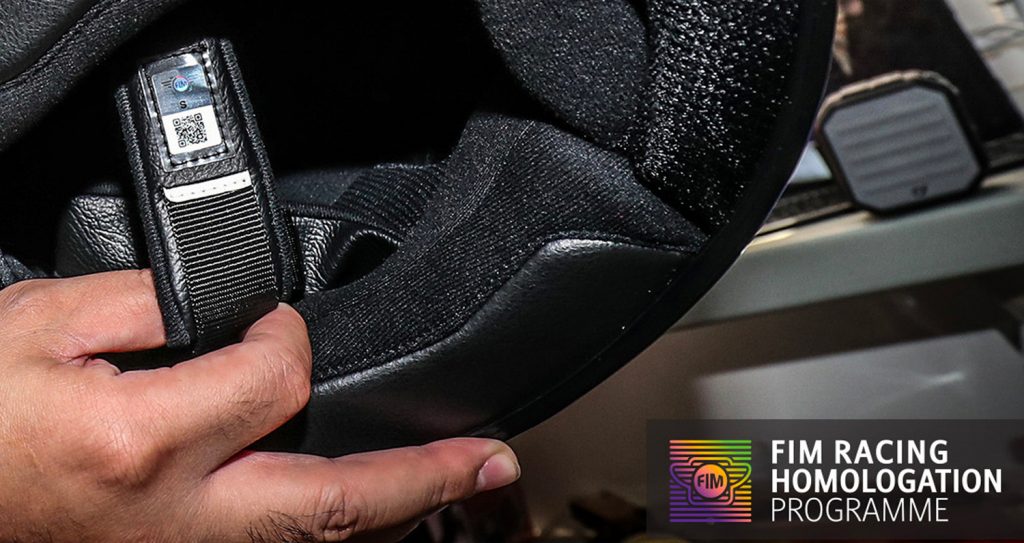
So obviously, your helmet must be in perfect condition and show no signs of impact. The scrutineers can even check the manufacturing date of your helmet to make sure it is less than 5 years old.
My (or my) little extras!
Motorcycle airbag vest
For me an essential (even if it is an investment!). Mandatory in MotoGP since 2018, it is highly likely that the requirement to ride with one will soon be around the corner... I personally ride with the Hélite electronic airbag integrated into my suit. The market is well developed today, you will find vest versions to wear over your suit or integrated versions, mechanical or electronic versions. Be careful if you wear a vest under your suit (especially the In&Motion), your suit must have stretch panels on the sides and shoulders to allow the airbag to inflate.
The undersuit
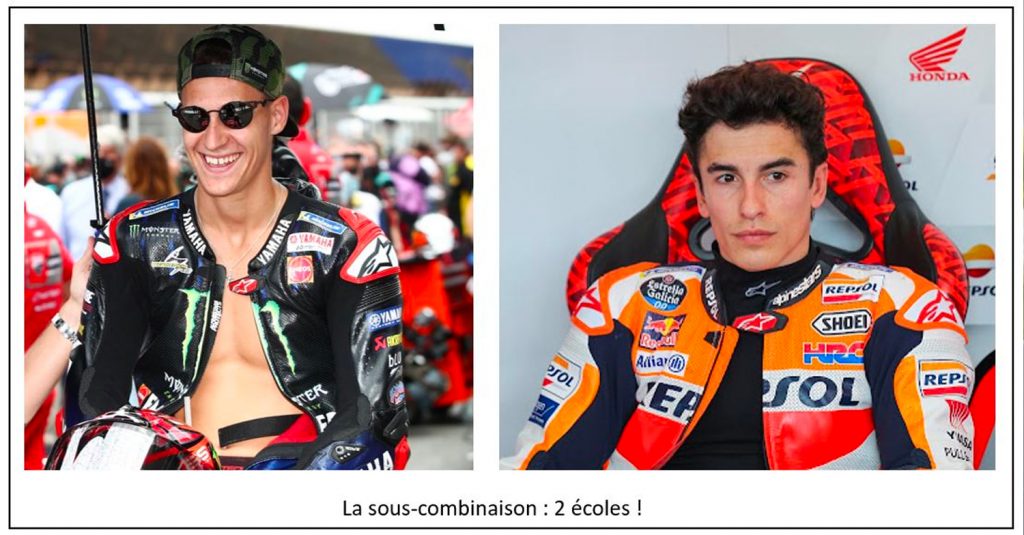
Or simply technical textiles worn under your suit. It is a choice whether or not to wear one, personally I find it so much easier to put on, and especially take off your suit when you have leggings/long sleeves! Nothing is stipulated about them in the technical regulations since it is a non-mandatory item, but be aware that the FFM advises against wearing a synthetic liner or synthetic underwear in competition, materials that can easily melt during friction and burn the rider. You can therefore either invest in dedicated undersuits, or equip yourself in a sports store for less (but very often in synthetic)! I repeat, there is no obligation here, Fabien Quartararo rides shirtless in his suit... Personally, I find it more comfortable and it can prevent an insect (bee...) from getting into your suit with a high-collar version like the one Marc Marquez wears!
The technical inspection, how does it work?
You'll need to show up at the same place as your motorcycle's technical inspection with all your gear in a bag (large Ikea bags work well if you don't have a case for your equipment)! The scrutineers will look at each of the items below one by one in search of defects that could compromise your safety.
If your equipment meets the specifications, the scrutineers will place an FFM sticker on the chin bar of your helmet. The presence of this sticker indicates that your entire equipment is compliant (the helmet is the only "marked" item), so you are authorized to participate in your race weekend!
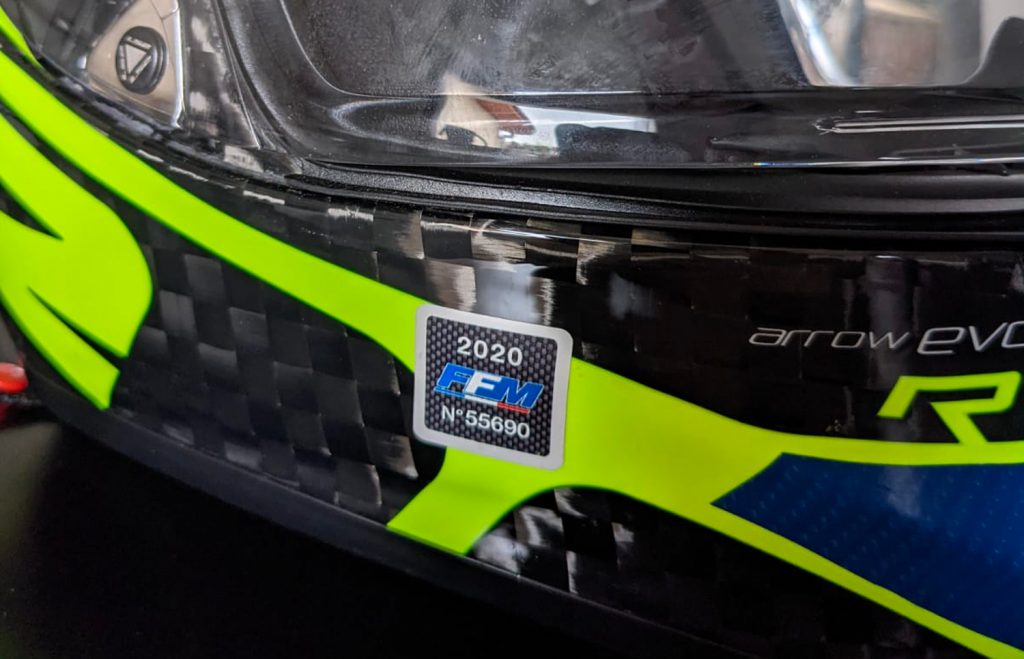
Be careful, you will have to pass this technical inspection at every race weekend, so make sure to present equipment in good condition every time!
By Lucile


