


How to choose your motorcycle back protector? Complete guide
6 min. read


5 Key Takeaways
💰 The price ranges from €20 to €200 depending on the type, built-in technology, and level of protection. It is better to invest in real protection than to regret it after a fall.
✅ A motorcycle back protector protects the spine in the event of a fall and is essential equipment for all riders, whether riding in the city or long distances.
🔧 There are three main types of back protectors: integrated into the jacket (practical but sometimes basic), with straps (full coverage and comfortable), and in a vest (maximum protection).
🧪 Choose EN 1621-2 certified back protectors, level 2, for better shock absorption. D3O material offers an excellent compromise between flexibility and safety.
🛠️ A well-chosen back protector should be adapted to your body shape, breathable, flexible, well-positioned, and easy to maintain.
What is a motorcycle back protector?
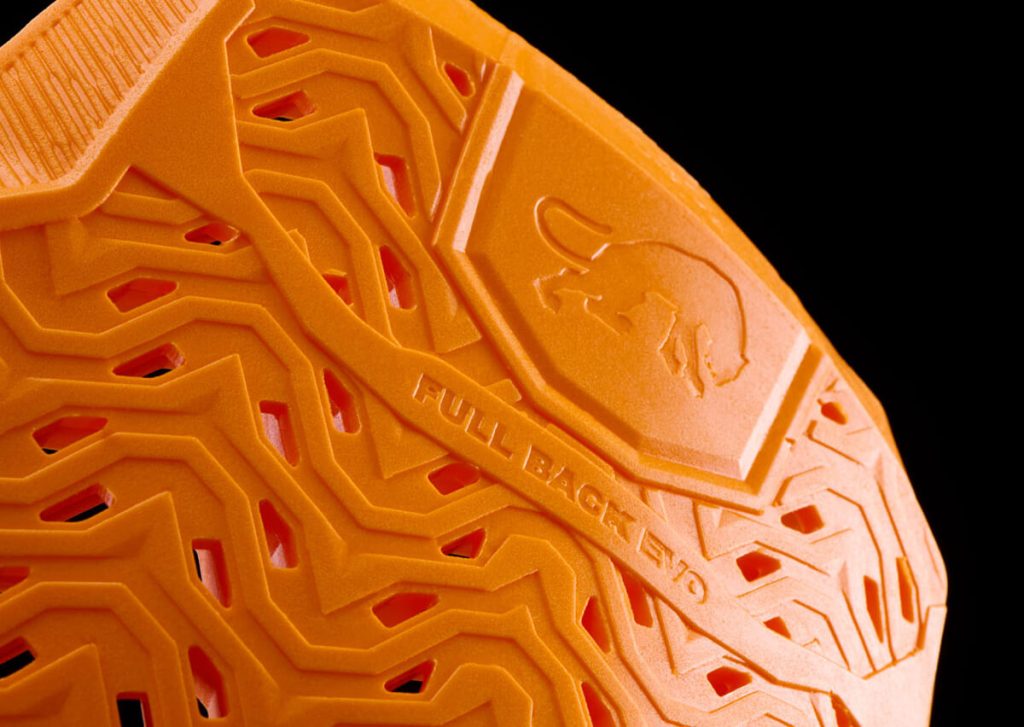
The motorcycle back protector is often the forgotten piece of equipment. Yet, it protects one of the most vital axes of our body: the spine. In the event of a fall, even at moderate speed, a poorly absorbed shock can lead to serious, even irreversible, injuries. While we constantly talk about helmets, gloves, or jackets, the back protector should be just as essential as the rest.
Concretely, a motorcycle back protector is a rigid or semi-rigid protection, designed to cushion impacts. It can be integrated into a jacket, worn as a vest, or attached with straps like a backpack. Its role is simple: absorb the energy of the shock before it reaches your spine.
Materials have evolved, notably with the arrival of D3O, a soft foam that hardens on impact. A real revolution. And even though the back protector is not mandatory in France, it is now a safety reflex for everyone who takes to the road.
How to choose your type of motorcycle back protector?
Each practice, each body shape, each piece of equipment may require a different type of back protector. We distinguish three main families: the integrated back protector, the back protector with straps, and the protective vest.
The back protector integrated into the jacket
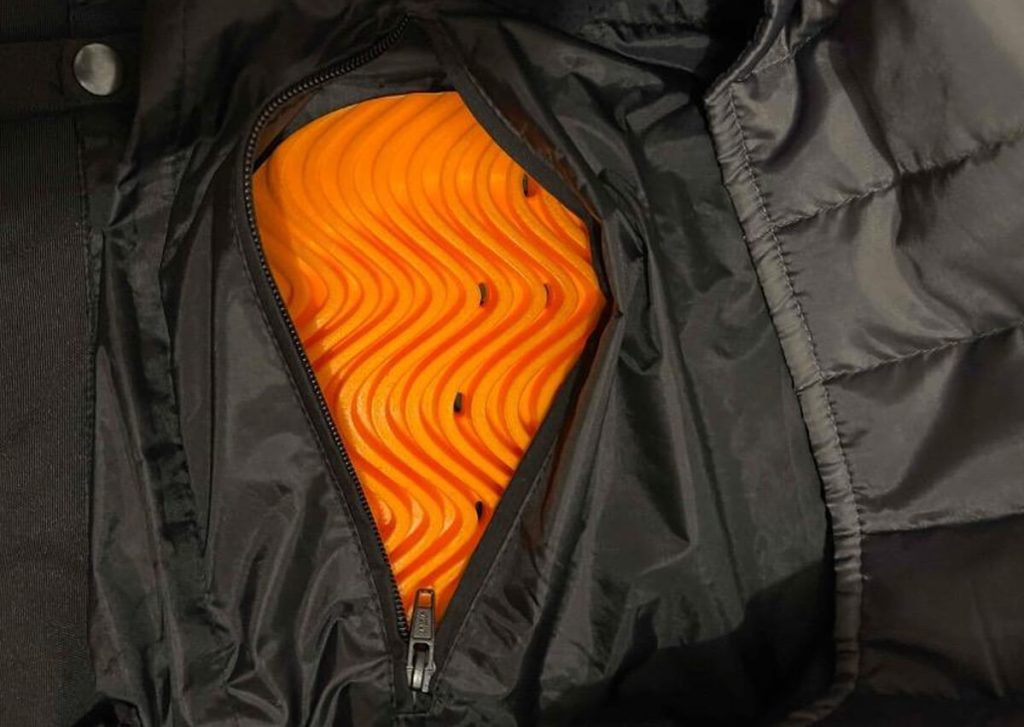
It is the one found in the majority of modern motorcycle jackets. Generally, it slides into a back pocket designed for this purpose. Super practical because it is discreet, it is forgotten on a daily basis.
But beware: jackets are often delivered with a basic foam that does not really protect. To be effective, your back protector must imperatively be EN 1621-2 approved, and ideally level 2. Also check that it covers the entire spine.
The back protector with straps
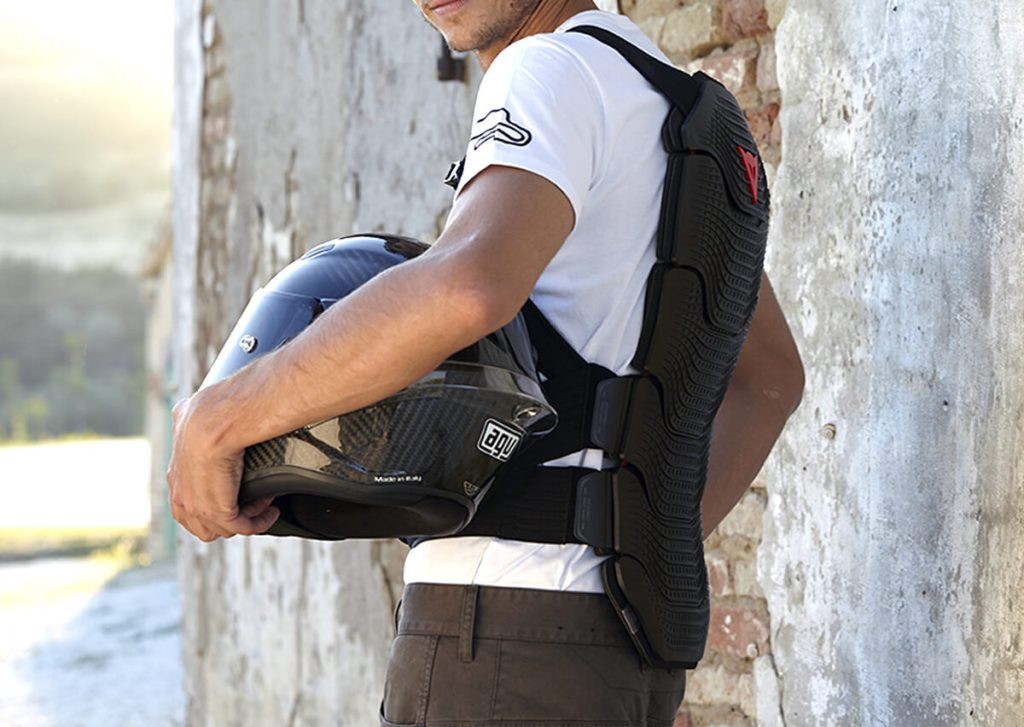
It is the most versatile version. It slips on like a backpack, tightens with adjustable straps, and can be worn under any jacket. It often offers better coverage, especially on the lower back.
Perfect for regular riders, touring riders, those who want maximum protection without changing their jacket. Bonus: many models are in D3O, to combine safety and comfort at the top.
The motorcycle protective vest
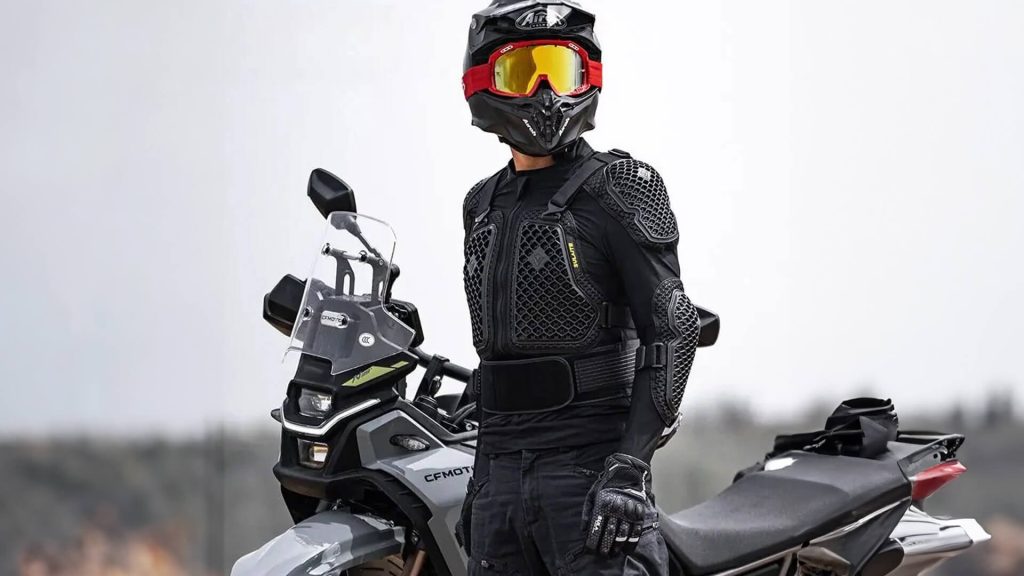
It is the must for those who want maximum protection: enduro riders, track riders, adventurers. It covers the entire upper body (back, shoulders, sometimes chest), and is often worn alone or under textile.
The support is excellent, the coverage unbeatable… but it is hotter and bulkier. Clearly reserved for committed practices or long trips.
How to check the suitability of your motorcycle back protector?
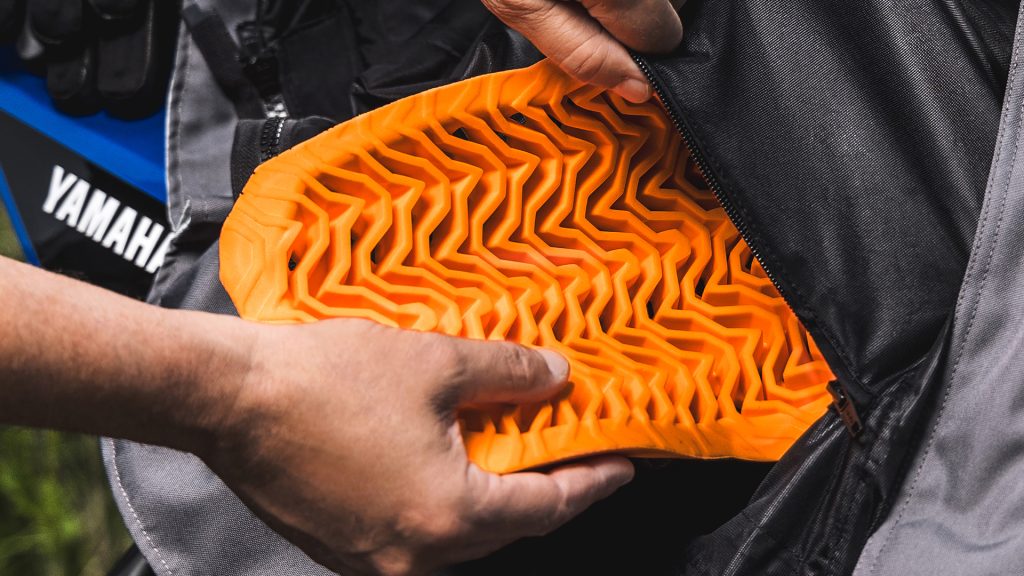
You can have the best back protector in the world… if it is not well adjusted, it will be useless. Suitability is the assurance that your back protector is well in place, stable, adapted to your body shape and your equipment.
What to check :
Complete coverage: it must start from the top of the shoulder blades and go down to the lumbar region.
Good position: it must not ride up when you lean over, nor move with every movement.
Stable fixation: adjustable straps or well-tightened dedicated pocket.
Compatibility with your jacket: pay attention to jackets that are too narrow, especially with back protectors with straps.
Clear approval: check the EN 1621-2 mention, otherwise, it is not a real back protector.
Comfort as a key selection criterion
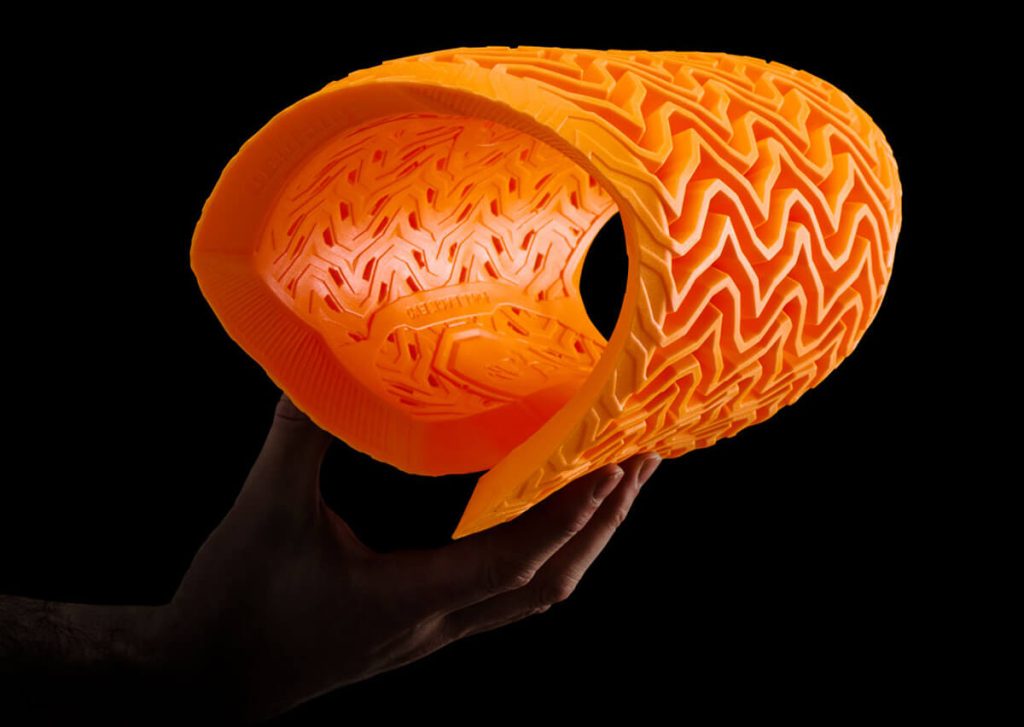
A back protector must be protective AND pleasant to wear. Otherwise? You will not wear it. And there, the risk, you take it. Thanks to materials like D3O, comfort has made a huge leap in recent years. You can now ride with a back protector that remains flexible, breathable, light, without crushing your back.
How to choose a comfortable back protector?
Cold flexibility: some back protectors become rigid with the cold. D3O, no.
Ventilation: favor perforated or mesh back protectors. Super important in summer.
Adjustment: no pressure points in the kidneys or on the shoulder blades.
Adapted thickness: a back protector too thick under a fitted jacket = guaranteed discomfort.
How to find the ideal motorcycle back protector size for you?
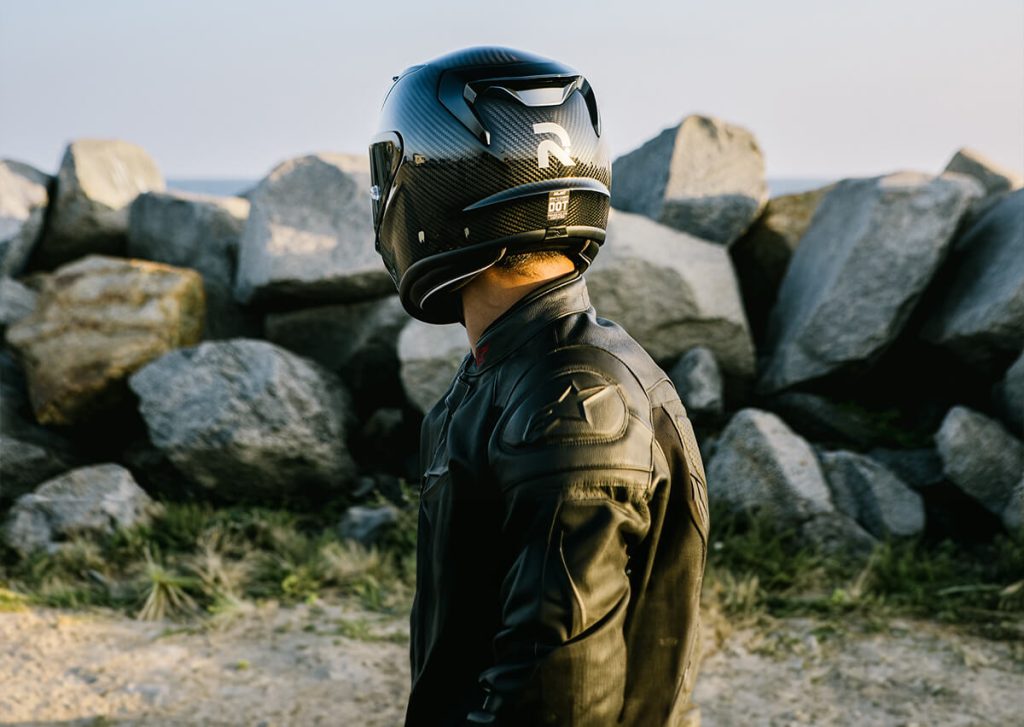
A back protector too large, it sticks out. Too small, it protects nothing. Here is how to aim right.
Measure your back: base of the neck to the bottom of the spine.
Compare with the manufacturer's specs: each brand has its own sizes.
Test it sitting in riding position: lean over, move, check that it stays in place.
Look at the cut of your jacket: some rigid back protectors can force or fit poorly.
💡 iCasque advice: if you are between two sizes, favor the shorter one if you ride a lot in sport position, the longer one if you are more upright or touring.
Understanding the EN 1621-2 standard: your safety guarantee
The EN 1621-2 standard is the one that defines the minimum performance of a motorcycle back protector. It tests the ability to absorb the impact.
It is divided into two levels:
Level 1: average transmitted force ≤ 18 kN
➤ Sufficient for urban or leisure use.
Level 2: average transmitted force ≤ 9 kN
➤ Recommended for the road, duo, long trips, track.
At iCasque, we systematically recommend level 2 for those who ride regularly or in extra-urban.
Technical parenthesis : The EN 1621-2 standard measures the force that is transmitted to the body after an impact. In other words, the lower the value in kilonewtons (kN), the less force reaches your spine.
It is exactly the opposite of a classic rating system:
● A level 1 back protector lets through up to 18 kN → it absorbs less shock, so protects less.
● A level 2 back protector limits this transmitted force to 9 kN maximum → it absorbs twice as much energy.
🧠 It is like a shock absorber: the more it absorbs, the less you feel the shock. Level 2, it is a much more efficient shock absorber.
How much does a good quality motorcycle back protector cost?
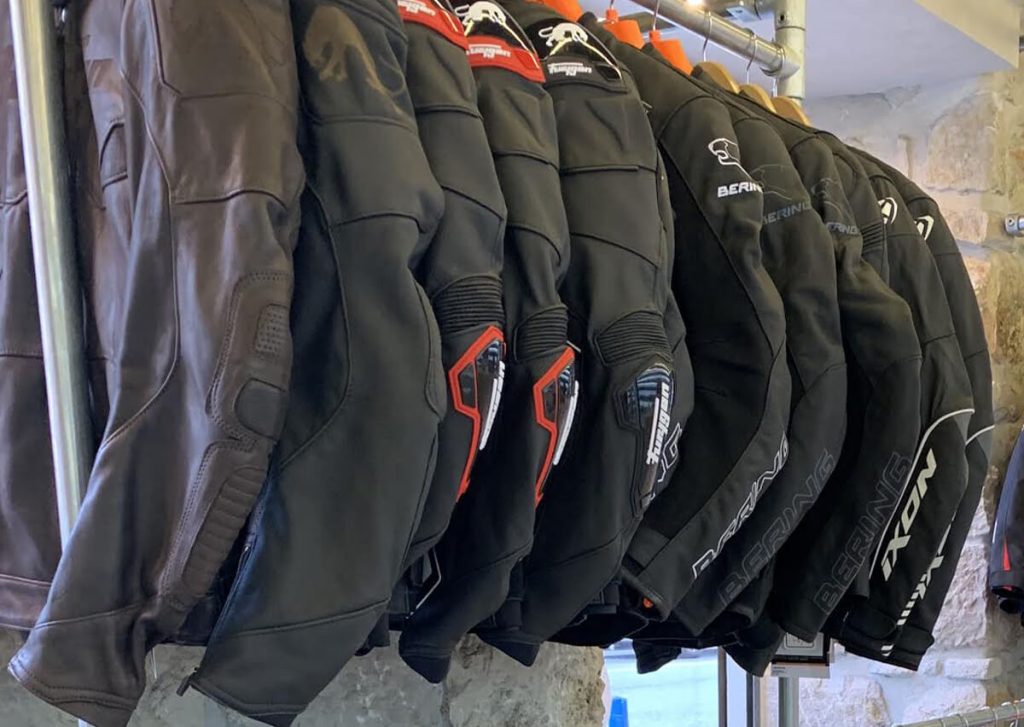
You do not need to spend a full salary to ride protected. But avoiding the first non-approved prices, it is clearly a good reflex.
Here is a table to help you find your way:
| Type of back protector | Advantages | Disadvantages | Average price |
| Integrated into the jacket | Discreet, practical | Less covering, non-replaceable | 20 – 80 € |
| With straps | Versatile, removable, very protective | Less discreet under clothes | 80 – 200 € |
And do not forget that D3O, often reserved for high-end models, justifies a small budget increase, but it is felt at every kilometer.
And do not forget that D3O, often reserved for high-end models, justifies a small budget increase, but it is felt at every kilometer.
How to properly maintain your motorcycle back protector?
1 A back protector, it is solid. But not eternal. To keep it performing:
2 Clean it regularly with a soft cloth. No chemical agents.
3 Air it out after every ride (especially in summer).
4 Store it flat in a dry place.
5 Replace it after a fall or every 4-5 years if regular use.
6 A small visual check from time to time: if you see cracks, a crushed foam, a weakening attachment → change it.
Back protector and motorcycle airbag: incompatible or winning duo?
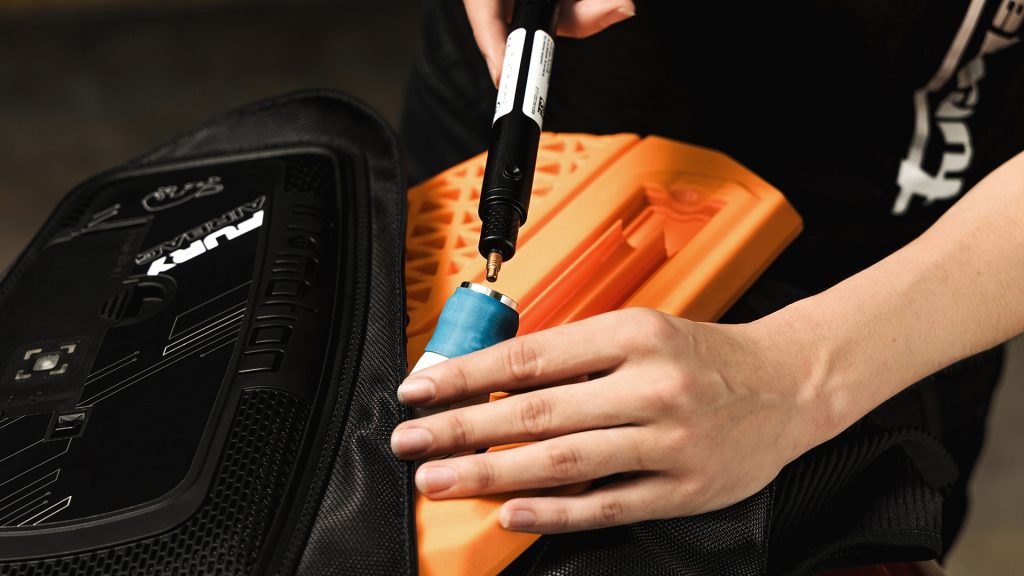
Many wonder if they should choose between the two. The answer is no: it can be complementary, provided you combine them well.
Two options:
Airbag with integrated back protector → perfect, nothing to add.
Airbag without back protector → choose a flexible and thin back protector type D3O to avoid uncomfortable layering.
💡 To avoid: layering a rigid back protector under an airbag = discomfort + loss of efficiency.
Top 5 of the back protectors favored by our customers
Here is what is booming at iCasque:
Furygan Full Back D3O
➤ Level 2, flexible, lightweight, top comfort
Alpinestars Nucleon KR-1
➤ Rigid level 2 back protector with straps, for track use
Dainese Pro-Armor G
➤ Level 2, ventilated, lightweight, perfect for summer
IXON Guardian Air
➤ Airbag compatible, level 2, super ergonomic
Bering Omega Protect
➤ Good protection at an affordable price (available in level 1 and level 2)
Pre-purchase checklist for your back protector
✔️ It is EN 1621-2 certified
✔️ It is level 2 if you ride often
✔️ It is adapted to your body shape
✔️ It fits well in your jacket or is easy to wear
✔️ It is comfortable and well ventilated
✔️ You know how to maintain it
✔️ You are ready to wear it on every ride, not just “when you think about it”
Mistakes to avoid when choosing your back protector
Even with the best intentions, it is easy to make a mistake. Here are the pitfalls to avoid:
❌ Confusing comfort foam with a certified back protector
❌ Buying without checking the EN 1621-2 standard
❌ Choosing a size at random (yes, it happens)
❌ Neglecting to try it on in a riding position
❌ Leaving it in the closet “just for a short ride”
❌ Thinking that because you ride slowly, you don’t need one
Riding isn’t a question of speed. It’s a question of the unexpected. And a good back protector is your invisible insurance.
What iCasque customers think: user reviews
🗨️ “I’ve had the Furygan Full Back for two years. Zero discomfort, super comfortable, I never ride without it anymore.” – Karim, 39, Paris region
🗨️ “My first back protector was too rigid, I quickly switched to D3O. Honestly, the comfort is completely different.” – Laëtitia, 31, Toulouse
🗨️ “Slipped out of a corner. Jacket shredded, but my back protector took the hit. I was unharmed. Without it? I don’t know.” – Quentin, 45, Lyon
Enhanced FAQ
Is a back protector mandatory for riding in France?
No. But it is mandatory on the track and in competition. And highly recommended for ALL riders, regardless of their level.
Can I wear a back protector with an airbag vest?
Yes, provided the back protector is thin and flexible (D3O type) if it is worn underneath. Otherwise, choose an airbag with an integrated back protector.
How do I know if my back protector is still good?
Check for cracks, the straps, and the condition of the foam. If it has taken a hit or is more than 5 years old with intensive use, replace it.
Does a back protector restrict movement?
Not if it is well chosen. Modern models are designed to follow your body shape. You will quickly forget it is there.
Can I wear a backpack with it?
Yes, but not a rigid bag that presses against you. Opt for a flexible, fitted, and lightweight backpack.
Conclusion: how to choose the best motorcycle back protector for you?
You want to ride protected without thinking about it? Then choose a back protector you can wear on every ride, without discomfort or restrictions.
✔️ Do you ride in the city? → integrated back protector, level 1 or 2
✔️ Do you ride on the road, with a passenger, or regularly? → back protector with straps, flexible, level 2
✔️ Do you go off-road, off-road, or want the maximum? → full protection vest
And if you want the ultimate combo: D3O + level 2 = comfort + safety + peace of mind.
📌 At iCasque, we have selected the best back protectors for you, certified, tested, and compatible with your gear.
💬 Need advice? Our team is here to help you make the right choice, always.
👉 [Discover the full range of motorcycle back protectors on iCasque]
By Fred


